
Hiking Gear Essentials: Everything We Actually Use (And a Few Things Nobody Talks About)
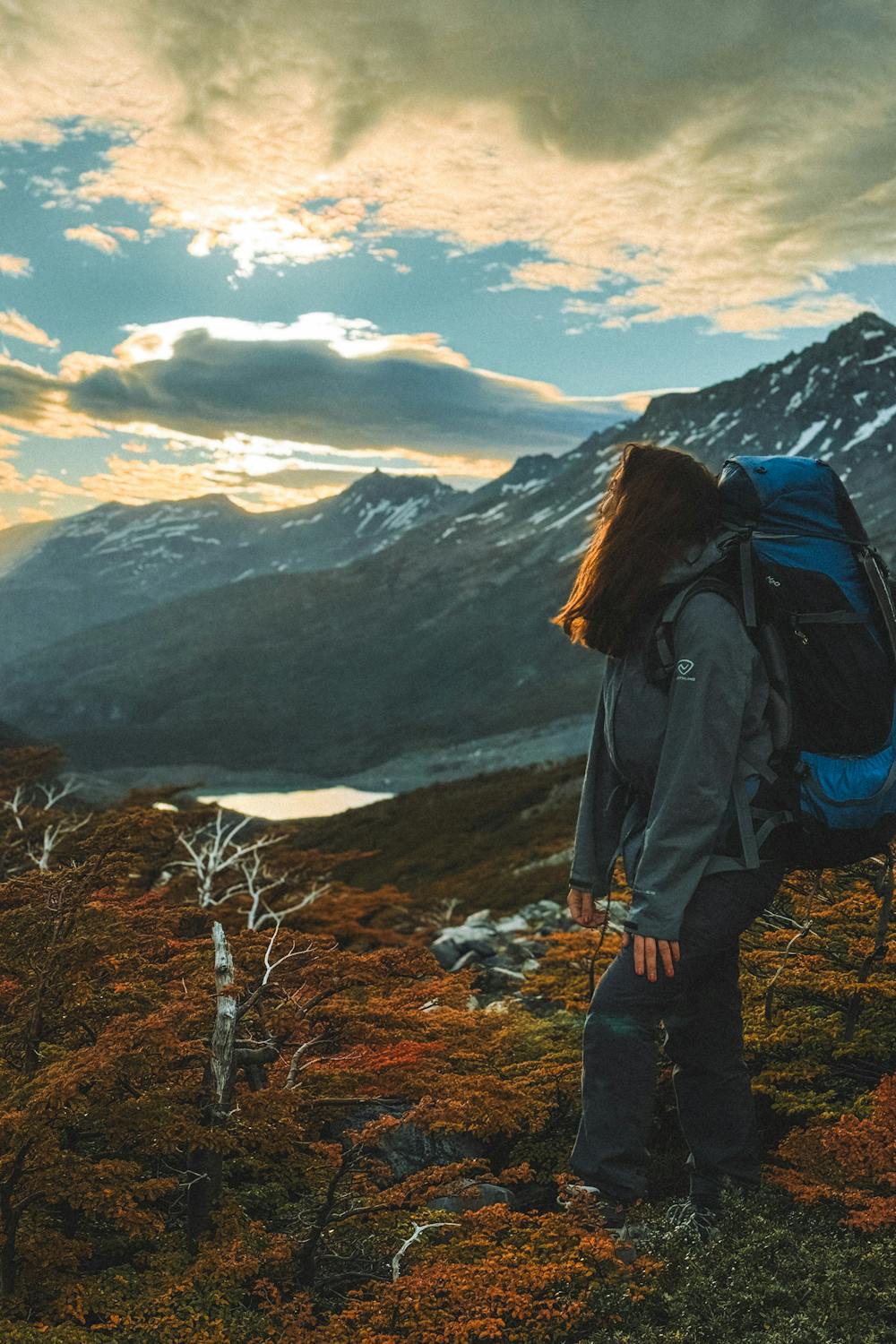
Disclosure: This post may contain affiliate links. I may earn a small commission if you click a link or make a purchase, at no additional cost to you. See my disclosure for more info.
The most important piece of hiking gear we own is not in our pack. It is parked outside. We spent about a year living in Spain without a car — one of the best periods of our lives — but hiking there without one was a lesson in how much access a vehicle actually buys you. The best spots, the ones in the Sierra Nevada and along the Caminos that did not make the tourist circuit, almost never had bus service. Two hours of transit each way for a four-hour hike. Coming back to having a car changed everything about how we hike. So we start there, with the thing nobody puts on a hiking gear list.
The Quick Picks
TOP PICKS BY CATEGORY
| Category | Our Pick | Price | Stars / Reviews |
|---|---|---|---|
| Day Pack | Maelstrom 40L Waterproof | $35.95 | 4.5★ | 3,324 reviews |
| Water Filter | LifeStraw Personal | $15.49 | 4.8★ | 124,310 reviews |
| Water Bottle | Nalgene Wide Mouth 32oz | $11.99 | 4.7★ | 3,839 reviews |
| Headlamp | SLONIK 1000 Lumen USB | $34.99 | 4.6★ | 12,300 reviews |
| Bear Spray | SABRE Frontiersman MAX | $17.99 | 4.7★ | 1,016 reviews |
| Satellite Communicator | Garmin inReach Mini 2 | $249.99 | 4.6★ | 2,111 reviews |
| Trekking Poles | Cascade Mountain Tech | $29.99 | 4.6★ | 14,200 reviews |
| Electrolytes | LMNT Zero Sugar Packets | $45.00 | 4.6★ | 6,400+ reviews |
SHOP OUR HIKING GEAR
Everything on this list organized in one Amazon list
Affiliate disclosure: Some links in this post are affiliate links. We earn a small commission at no extra cost to you.
Why You Should Trust This List
We hike because we want to be outside — not as a content exercise. The gear here has been on real trails: through the Grand Canyon on the Bright Angel Trail descent, on late-season routes where the trail disappeared under snow eight miles in, and on years of regular hikes since coming back from Spain. Every product is verified against a live Amazon listing before appearing here: 4+ stars and 1,000+ reviews minimum. The numbers are current. When something gets discontinued or something better comes out, the list gets updated.
The Vehicle
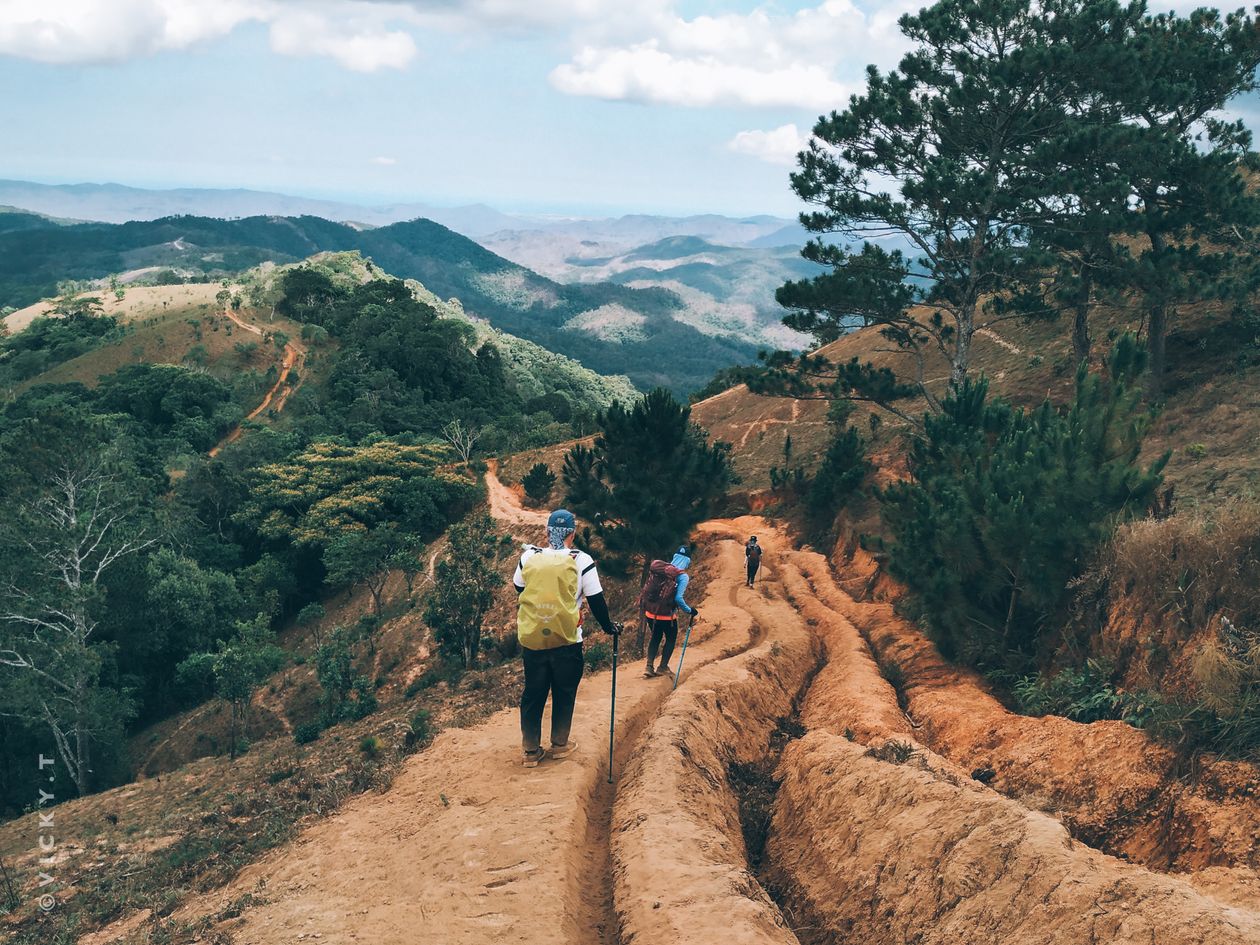
You do not need a lifted 4WD truck to access good trails. You need reasonable ground clearance and enough interior space to handle coming back covered in mud, with wet boots, two packs, and possibly a wet dog. What actually matters is the ability to handle forest service roads — usually gravel with ruts — which unlocks 80% of trailheads in North America. Storage matters more than people expect: two hiking packs, poles, boots, and layers take up real space. Spontaneous hikes are often the best ones, and spontaneity requires not planning a transit route the night before.
Footwear
Boots are the most personal decision on this list. What fits one person perfectly blisters another in the same model. The things that do not vary: ankle support for uneven terrain, waterproofing for stream crossings, and a stiff sole that does not flex on rocks. Brands we have trusted — Salomon, Merrell, La Sportiva — but fit matters more than brand. Try them with the socks you will actually hike in. Our full boots guide has the specific models and what makes each one worth considering.
Socks are underrated to a degree that surprised us when we finally took them seriously. Merino wool, no cotton. Cotton holds moisture and creates blisters and cold feet on a warm day once you stop moving — one of the most common mistakes on longer hikes. The difference on a 10-mile day is real. Compression socks are worth understanding specifically if you are doing significant elevation gain, flying to a trailhead, or if your ankles tend to swell on long days. They reduce leg fatigue from two directions — circulation and muscle support — in a way that has a measurable effect on how you feel at mile 8 versus mile 3.
The Backpack
For day hikes, 20 to 40 liters is the right range. Enough to carry what you actually need — water, food, layers, first aid, camera gear — without so much space that you start overpacking. The fit matters as much as the volume: a pack with a good hip belt carries most of the weight on your hips, not your shoulders. If your shoulders are doing most of the work, the pack is not fitted right or is the wrong torso length for you.

Maelstrom 40L Waterproof Hiking Backpack
4.5★ | 3,324 reviews | $35.95
Why we picked it: Waterproof build with a rain cover included — two layers of wet-weather protection out of the box. Organized pockets, hip belt, and padded straps that transfer weight to your hips. At $35 this outperforms packs at twice the price on the metrics that matter: water resistance, weight distribution, and organization.
The catch: 40L is larger than you need for a pure day hike. If you hike light, a 20L pack is the right call.
For overnights: the Osprey Kestrel 38L ($220) brings Osprey fit to a trail-capable pack that handles one-nighters and big days equally well. For multi-day: the Amazon Basics 75L Internal Frame is the most-reviewed pack at its price point — 75 liters with a rain cover, 10,402 reviews at 4.5 stars.
Clothing: The Layering System
The layering system is the most important concept in hiking clothing. Three distinct layers, each doing a specific job, added and removed as conditions change. Getting this right is the difference between a comfortable hike and one where you are either drenched in sweat on the climb or freezing at the summit.
Base and sun layer: Moisture-wicking, against your skin. Not cotton — cotton holds moisture and is how people get cold even on warm days once they stop moving at a summit. The Roadbox UPF 50+ Sun Hoodie does double duty: moisture-wicking long-sleeve that also blocks UV, which matters on exposed ridges and summer hikes. It photographs like a regular shirt but it is doing real work. For the full picture on what to wear on trail, see our hiking outfits guide.
Mid layer: Insulation — a packable down jacket or fleece worn when you stop moving or when temps drop. Compression-packable so it lives in the top of your pack without taking real space. This is what comes out at the summit, at lunch, at the end of a cold descent.
Shell: Wind and waterproofing. Always have something in your pack regardless of forecast — weather changes faster on exposed ridgelines than any app predicts. Compact rain ponchos are the minimum. For a proper hardshell, that is a separate investment worth making for serious alpine hiking.
Bottoms: Quick-dry, UPF-rated hiking pants with zipper pockets — the detail that separates hiking pants from regular pants on trail. For warm weather, hiking leggings with UPF and four-way stretch handle most conditions and double as travel wear.
Sun Protection
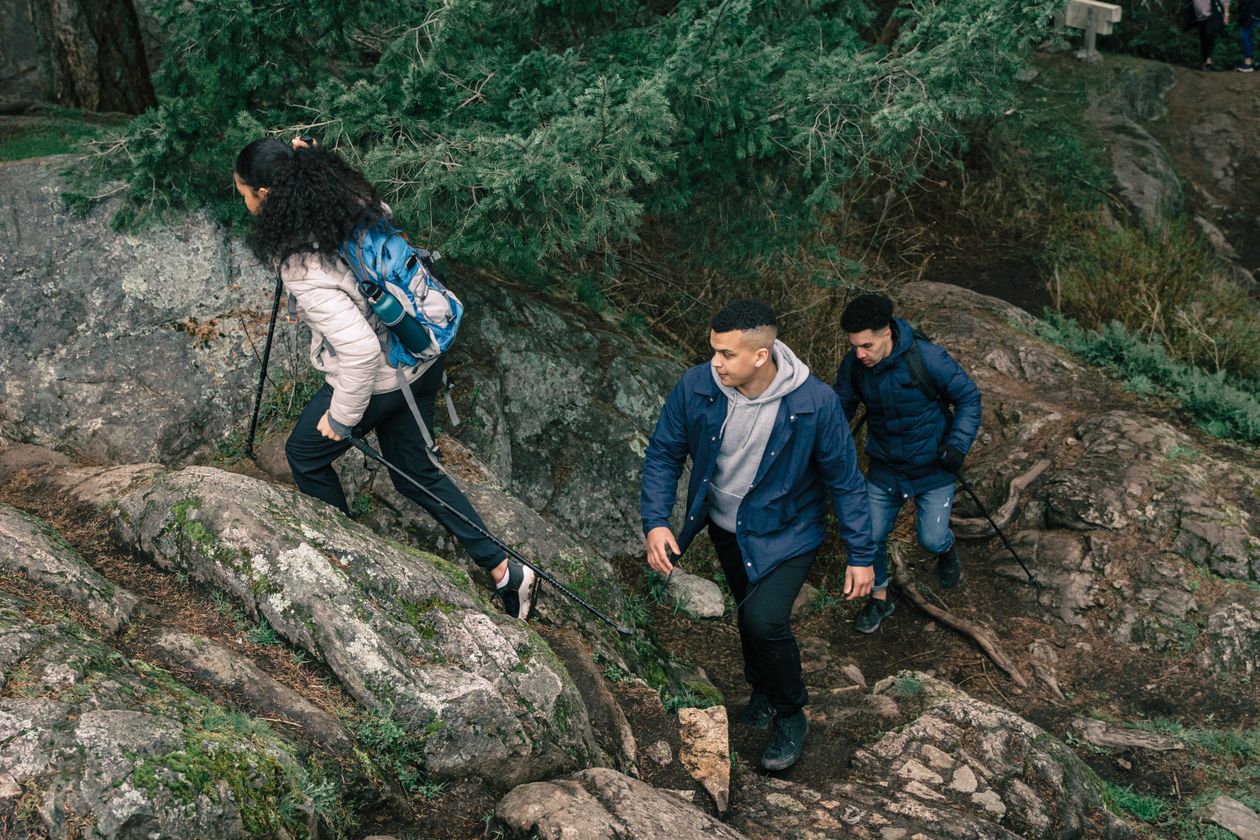
UV exposure increases roughly 10% for every 1,000 feet of elevation. At 10,000 feet you are getting close to twice the UV of sea level. We have both paid for not taking this seriously early on — burns on exposed ridges sneak up because the air is cool and it does not feel like a beach day.
Hat: Wide brim, not a baseball cap. A wide brim protects your ears and the back of your neck — the parts that get wrecked most on exposed trails. For cold days wear a buff or beanie, but for summer or any exposed ridgeline, the brim is not optional.
Sunglasses: Polarized with UV400 coverage. On a bright day with snow or water, glare is disorienting and fatiguing over hours. Polarized lenses eliminate it entirely.
Sunscreen: SPF 50+, mineral if you can. Applied before you leave the car, not at the trailhead. The Blue Lizard Sensitive Mineral Sunscreen SPF 50+ has 14,600+ reviews and 20,000+ sold last month — clean mineral formula, stays on in sweat. Reapply every two hours. The ears, back of the neck, and any part in your hair are what people consistently miss.
Water and Hydration
Half a liter per hour in moderate conditions. More in heat, on difficult terrain, or at altitude. Most people carry too little. We have started taking more than we think we need on almost every hike and consistently use it — the Grand Canyon descent taught us that lesson definitively. Two people on a six-hour summer hike should have at least six liters total between them.

Nalgene Wide Mouth 32oz Water Bottle
4.7★ | 3,839 reviews | $11.99
Why we use it: BPA-free, indestructible, dishwasher-safe, and the wide mouth lets you add ice or mix electrolytes directly in the bottle. At $11.99 it lasts for years. We carry one as backup alongside a hydration reservoir on any hike over four hours.
The catch: No insulation — your water will be warm by hour three in summer. Add an insulating sleeve if cold water matters on long hikes.

LifeStraw Personal Water Filter
4.8★ | 124,310 reviews | $15.49
Why we carry it: 124,310 reviews at 4.8 stars makes this one of the most-reviewed outdoor products on Amazon. Filters up to 1,000 gallons, removes 99.999% of bacteria and parasites, weighs 2 ounces. Lives in our pack permanently — the safety item you forget is there until you need it, which is exactly the point.
The catch: Drink-through only — does not fill a bottle. For filling a bottle, the Sawyer Mini ($19.99, 41,100+ reviews) is better.
Electrolytes: Drinking a lot of water without replenishing sodium is how you get headaches and cramping on long hikes even when you have been hydrating well. LMNT Zero Sugar Electrolyte Packets (4.6 stars, 6,400+ reviews, 40,000+ sold last month) are what we carry — one packet per liter on anything over a few hours makes a measurable difference in how you feel on the back half of a long day.
Food and Fuel
Do not wait until you feel hungry. By the time hunger hits on a big climb, you are already behind. We eat on a schedule on anything over six miles — every 90 minutes regardless of how we feel — and it makes a real difference in how the back half of the day goes. One real food item each (a wrap, a sandwich, actual lunch) supplemented by trail mix, nut butter squeeze packets, dates, and jerky for the stretches between stops. Chomps beef sticks and Jack Links jerky are the protein staples. On cold hikes a thermos of soup or coffee is the thing that turns a good hike into a great one.
Trekking Poles
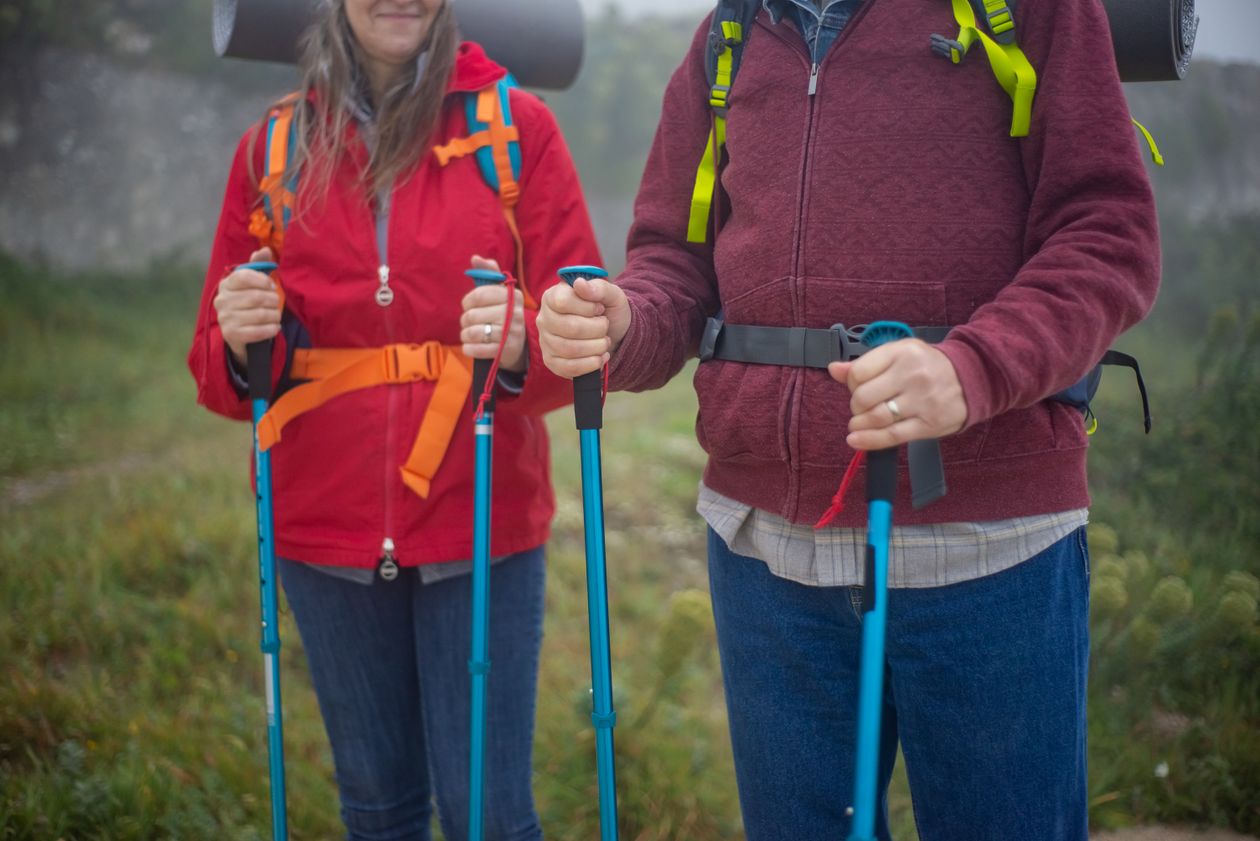
We have a whole post on this because the case for trekking poles is stronger than most people who have not used them expect. On the Grand Canyon Bright Angel Trail — 4,380 feet of descent in under 5 miles — poles are the difference between a controlled experience and one where your knees feel every step for three days. They shift load distribution on descents immediately and obviously. The people who resist poles most are usually the ones who would benefit most.

Cascade Mountain Tech Trekking Poles
4.6★ | 14,200 reviews | $29.99
14,200 reviews at 4.6 stars — Amazon Overall Pick in the trekking poles category. Cork grip, quick-lock, carbide tips, folds to 13 inches. The poles we use on everything from day hikes to canyon descents. For travel-packable and carbon fiber options, read our full trekking poles guide.
The catch: Basic wrist straps — fine for most hiking but padded gloves help on heavy-mileage routes.
Navigation
AllTrails is the starting point for most people and it is genuinely good. Download the map before you go every single time — cell service disappears faster than you expect in mountains and canyons. We have been in canyon country where signal dropped completely within a quarter mile of the trailhead. A downloaded map is the difference between confident navigation and guessing.

4.6★ | 2,111 reviews | $249.99
Why we recommend it: Two-way messaging and emergency SOS from anywhere on Earth using the Iridium satellite network — no cell signal needed. Roughly the size of a large lighter. 2,111 reviews at 4.6 stars for a $250 safety device is a meaningful signal. If you hike in genuinely remote places, more than a couple miles from a road where cell service is unreliable, this is not optional equipment.
The catch: Requires an ongoing subscription from around $15/month. For popular day trails near roads, this is overkill. For real backcountry, it is not.
Safety: Bear Spray
Bear spray is one of the most-searched items in the hiking gear category and one of the most consistently skipped by people who hike in bear country. The data is clear: bear spray is more effective than firearms in stopping bear attacks, with an 85% success rate in documented encounters. It works on mountain lions and aggressive dogs too. If you hike anywhere in the American West, the Rockies, Glacier, Yellowstone, or any national forest with bear activity, carry it.

SABRE Frontiersman MAX Bear Spray
4.7★ | 1,016 reviews | $17.99
Why we recommend it: EPA-registered, maximum strength 2% major capsaicinoids. 40-foot range. 7.9oz canister covers multiple bursts. SABRE is one of the two brands consistently recommended by wildlife rangers. Comes with a belt holster for quick access — it does nothing in the bottom of your pack.
The catch: Banned in aircraft cabins and checked bags on most carriers. Buy at your destination or ship ahead when flying to a trailhead.
How to carry it: In the holster on your hip belt or chest strap, safety clip on, facing out. Practice the draw — in an actual encounter, reaction time is everything. A bear bell clipped to your pack is a useful supplement in dense forest: the noise alerts bears to your presence and prevents the surprise encounters that are most dangerous.
Safety: First Aid and Emergency Gear
Most day hike first aid needs are minor: blisters, cuts, a turned ankle. A compact first aid kit covers the basics without bulk and should live permanently in your pack. Things not in standard kits but worth adding: a mylar emergency blanket (nearly weightless, potentially life-saving in an unexpected overnight), a loud whistle, and a headlamp even if you plan to be back before dark.

SLONIK 1000 Lumen Rechargeable Headlamp
4.6★ | 12,300 reviews | $34.99
Why we use it: USB rechargeable so it is always topped up at home and you never deal with dead batteries mid-hike. 1,000 lumens illuminates the trail at distance — significantly brighter than the standard emergency headlamp most people carry. IPX4 waterproof. Plans change and hikes run long. Coming down a rocky trail in the dark without a headlamp is a completely avoidable situation we put ourselves in once. Never again.
The catch: Needs recharging — charge it before every long day. For multi-day trips, pack a small battery to recharge it.
Power on the Trail
A dead phone is a dead map, a dead camera, and a dead SOS if you need it. On any hike over a few hours where you are relying on AllTrails, carry a power bank. The BLAVOR Solar Power Bank 10000mAh has solar panels built in, wireless charging, and a dual flashlight. The solar top-up is not a substitute for a full charge but it is a useful buffer on long days.
The Camera Kit
This is the Pic Inspo part. We hike because we love being outside, and we document it — the views, the moments, the pics that require two people and a tripod and a remote to get right. The hiking camera kit is a weight-versus-quality tradeoff. A compact camera like the Canon G7X handles most hikes — small enough for a hip pocket, image quality that beats any phone. A compact tripod in the side pocket of your pack is essential if you hike as a couple: it is the difference between one of you holding the camera and both of you in the shot with the mountain behind you. See our camera guide for the specific models we recommend at every budget.
For the full guide to getting better shots on trail — poses, lighting, settings — see our fall photoshoot ideas and our hiking date guide.
A Few Extras Worth Having
The Occer 12×25 Compact Binoculars are the kind of thing you do not think you need until you spot something on a ridge and wish you had them. 33,162 reviews at 4.4 stars. Compact, waterproof, low-light capable. On hikes with wildlife — elk at dawn, raptors, anything above treeline — they change what you can see from a viewpoint entirely.
The Naturehike Ultralight Camp Chair is a trailhead and view-lunch item. The difference between eating lunch standing and sitting in a chair at 11,000 feet with a view is larger than it has any right to be.
The Full Packing Checklist
| Category | What to Pack |
|---|---|
| Feet | Broken-in waterproof hiking boots, merino wool socks (no cotton). Compression socks for elevation gain or long days. Microspikes if snow or ice likely. |
| Pack | Maelstrom 40L for full days, smaller pack for light hikes, Osprey Kestrel for overnights, Amazon Basics 75L for multi-day. |
| Water | Nalgene 32oz + 2L hydration reservoir minimum. LifeStraw or Sawyer Mini for filtering from sources. LMNT electrolyte packets. |
| Food | One real food item per person plus trail mix, nut butter, jerky, dates. Eat every 90 minutes on hikes over six miles. |
| Clothing | UPF moisture-wicking base layer, packable mid layer, rain shell or poncho, hiking pants or UPF leggings, wide-brim hat, buff or beanie. |
| Sun | Blue Lizard mineral SPF 50+ before leaving the car. Polarized UV400 sunglasses. Reapply every two hours. |
| Navigation | AllTrails downloaded offline. Phone fully charged. Garmin inReach Mini 2 for remote routes. Physical topo map as backup. |
| Safety | First aid kit. SLONIK headlamp charged. SABRE bear spray in hip holster (bear country). Emergency whistle. Mylar blanket. |
| Power | BLAVOR Solar Power Bank for day hikes. Higher-capacity battery pack for longer trips. |
| Nice to Have | Cascade trekking poles. Occer binoculars. Lightweight camp chair. Camera and compact tripod. |
SHOP BY CATEGORY
Three lists — one for every part of your kit
FAQ
How much water should I bring on a day hike?
Half a liter per hour is the baseline in moderate conditions. For hot weather, hard terrain, or high altitude, plan a full liter per hour. Two people on a six-hour summer hike should have at least six liters total. On the Grand Canyon we went through significantly more than we planned and were glad we had it.
Do I need bear spray on every hike?
Not on every hike, but on any hike in the American West, Rockies, Glacier, Yellowstone, or any area with documented bear or mountain lion activity — yes. Bear spray has an 85% effectiveness rate in documented encounters. At $17.99 the cost argument for skipping it does not hold up. Carry it in a hip holster, accessible in under two seconds.
Do I actually need trekking poles?
No — but they help more than most people expect, specifically on descents. The Grand Canyon is the clearest example: 4,380 feet of elevation loss benefits significantly from having poles to distribute load off your knees. Anyone with a prior knee injury that flares on hard downhills will feel the difference immediately. Read our full trekking poles guide for picks at every price point.
What is the one piece of gear you would never leave behind?
The headlamp. We have been caught out after dark more times than we would like to admit — a longer trail than expected, stopping too long at a viewpoint, a wrong turn that cost an hour. It weighs almost nothing and coming down a rocky trail at night without one is a completely different and much more dangerous experience.
Is the Garmin inReach Mini 2 worth $250?
If you hike in genuinely remote places where cell service is unreliable, yes. It covers the scenario where everything else has failed and you need to reach someone. For popular day trails near roads, it is overkill. Note the ongoing subscription cost from around $15 per month on top of the hardware.
Should I use compression socks for hiking?
Yes on anything over 8 miles, any hike with significant elevation, or any day where your legs tend to swell. Compression socks reduce muscle fatigue and swelling by improving circulation. Combined with trekking poles, you are protecting your legs from two directions on hard days.
What should I wear hiking so my photos look good?
Solid colors or simple patterns over busy prints. Earth tones and muted colors look intentional; neon anything dates a photo fast. Layering gives dimension in photos that a single shirt does not. See our hiking outfits guide for specific pieces that work both on trail and on camera.


