
The Best Hiking Boots for Women (2026)
Disclosure: This post may contain affiliate links. I may earn a small commission if you click a link or make a purchase, at no additional cost to you. See my disclosure for more info.
Your trail footwear matters more than your route map. Wrong boots turn a 6-mile day hike into a 4-hour foot problem. The right ones disappear by mile two. After reviewing the most-purchased women’s hiking boots on Amazon, one comes out ahead for most hikers: the Merrell Moab 3 Mid Waterproof. Thousands of verified reviews, real waterproofing that holds under creek crossings, and it breaks in faster than most boots in this category. If you need a wider toe box, the KEEN Targhee III Mid is the runner-up.
OUR PICK
Merrell Moab 3 Mid Waterproof
The most-reviewed women’s waterproof hiking boot on Amazon. Fits most feet, breaks in fast, holds on real terrain.
ALSO GREAT
KEEN Targhee III Mid WP
Wider toe box. Best pick if Merrell has ever given you side blisters or black toenails on descents.
Why You Should Trust This
Every boot in this post cleared the same filter: 4+ stars, at least 1,000 verified Amazon reviews, active sales rank. The Merrell Moab 3 is the single most-reviewed women’s hiking boot on Amazon. That’s not a number you manufacture. Both boots have real named waterproof membranes, not just “water-resistant” marketing. If a boot didn’t pass both tests, it’s not here.
Who This Is For
These boots are for you if you’re buying your first real hiking boots and don’t want to guess, if your current trail shoes are basically upgraded sneakers, or if you do any trail with creek crossings, wet rock, or morning dew where waterproofing actually pays off. If you only hike in dry desert terrain, you might not need waterproofing at all. A non-WP version of either boot will run cooler and still perform well.
What Makes a Good Women’s Hiking Boot
Four things matter, and most gear reviews bury them at the bottom.
Waterproofing. Named membranes like Merrell’s M Select DRY and KEEN.DRY are actual barriers against water. “Water-resistant” finishes wash out. The trade-off: waterproof boots run hotter and dry slowly if soaked from above. Dry climate, skip it. Pacific Northwest, Appalachians, coastal trails before noon, get the waterproofing.
Ankle height. Mid-cut adds lateral stability on rocky terrain. Low-cut is lighter and faster on established trails. If you’re carrying any real pack weight, mid-cut protects your ankles from rolling.
Toe box width. Women’s hiking boots typically run narrow. KEEN runs noticeably wider. If you’ve had black toenails or compressed toes on long descents, it’s almost always a toe box problem, not a fitness problem.
Break-in time. Full-grain leather takes 20+ miles. Suede-mesh constructions like the Moab 3 break in within 5-10 miles for most people. Blisters from new boots are almost entirely a break-in problem, not a fit problem.
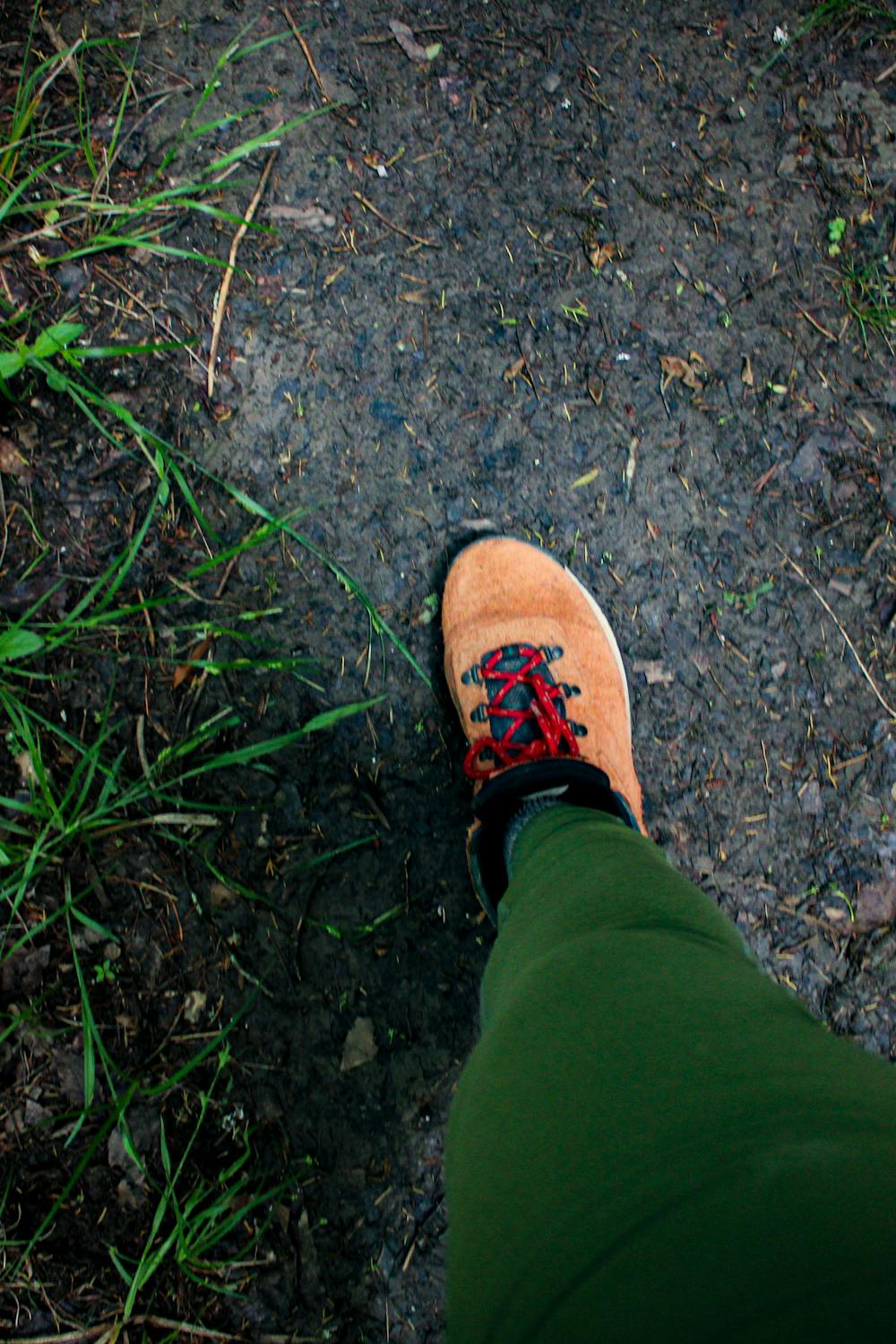
One thing nobody mentions: boots photograph better than trail runners on trail. The ankle silhouette, the lug pattern, the earth-tone colorways most good hiking boots come in all read better in trail pics than a generic trail runner. If the visual matters to you, boots are the better choice.
Merrell Moab 3 Mid Waterproof
Why we picked it
The Moab 3 is the most-reviewed women’s waterproof hiking boot on Amazon. That review count represents real hikers across different terrain types, foot shapes, and conditions who have verified what Merrell claims. The M Select DRY membrane is a genuine waterproof barrier. The Vibram TC5+ outsole grips wet rock in a way generic rubber doesn’t. The suede-mesh construction breaks in fast. Most people have it comfortable within the first two real hikes. Works for day hikes through overnight trips with a lighter pack.
The catch
The midsole runs firm. On long days with significant road or gravel sections, some hikers notice foot fatigue by mile 8-10. If your route has a long pavement approach, the Moab 3 Ventilator (non-waterproof) uses a softer foam stack and runs cooler.
KEEN Targhee III Mid Waterproof
Why we picked it
KEEN’s wide toe box is the reason this boot is in this post. If you’ve finished a long hike with black toenails, numb toes, or side blisters, that’s almost always a toe box compression problem. Your toes hit the front or sides on descents. KEEN solves it by giving your toes actual room to spread naturally. The KEEN.DRY waterproofing holds up, the grip is solid, and KEEN’s build quality holds across seasons. Wide-footed hikers consistently rate this as the best fit in the category.
The catch
The wide toe box helps wide-footed hikers and hurts narrow-footed ones. If your feet run narrow or true-to-medium width, the Targhee will feel sloppy at the heel and sides, which creates a different kind of blister. Narrow feet: Merrell first.
Frequently Asked Questions
What’s the difference between hiking boots and trail runners?
Ankle support and durability. Trail runners are lighter and faster but have minimal lateral ankle support. Hiking boots protect your ankles on uneven terrain and last longer under pack weight. For short day hikes with no pack on established trails, trail runners are fine. Once you add real weight, scrambling, or multi-day mileage, boots earn their keep.
Do I really need waterproof hiking boots?
Only if your trails have water. Waterproof boots run hotter and dry slower when soaked from the top. Southern California, Arizona, dry desert hiking: skip waterproofing, get a cooler boot. Pacific Northwest, Appalachians, coastal morning hikes: yes, every time.
How do I know if hiking boots fit correctly?
Wear hiking socks. Your heel should lock with no slip. Your toes need a thumb’s width of space at the front. Walk downhill if you can. If your toes hit the front, size up half a size. Heel slip causes blisters at the back. Toe compression causes black toenails and front blisters.
What colors photograph best on trail?
Earth tones. Merrell’s walnut and boulder colorways and KEEN’s slate and brindle options read well against dirt, rock, and green trail backgrounds. Avoid neon, it competes with the landscape. All-black photographs as a flat void in direct sunlight.
How long do hiking boots last?
500-1,000 miles depending on terrain and care. The Moab 3 typically lasts 3-4 seasons at 20-30 miles per month. When the lugs smooth out and you start slipping on wet surfaces, it’s time to replace them.