
Best Microspikes for Hiking: What We Wish We’d Packed
Disclosure: This post may contain affiliate links. I may earn a small commission if you click a link or make a purchase, at no additional cost to you. See my disclosure for more info.
We were 6 miles into a late-season trail when the snow showed up and didn’t stop. No traction, no grip, just slick packed snow between us and the trailhead. We made it back fine, but we talked about microspikes the entire way down. After researching what actually works, the Kahtoola MICROspikes are what we carry now and what we recommend. $83.95, 4.7 stars, 3,564 reviews. There’s a reason they’re the default answer every time someone asks about traction on packed snow.
OUR PICK
Kahtoola MICROspikes Footwear Traction
$83.95 | 4.7★ | 3,564 reviews
The standard traction device for trail hiking on packed snow and ice. Fits any boot, goes on in 30 seconds, used and trusted by hikers for years.
See it on AmazonWhy You Should Trust This
Every product we recommend has 4+ stars and 1,000+ reviews minimum before it makes the cut. The Kahtoola MICROspikes have 3,564 reviews at 4.7 stars. We also learned firsthand what happens when you don’t have traction at mile 6 on a snow-covered trail. That kind of education sticks.
Who This Is For
These microspikes are for you if you hike in spring or fall when snow can show up above a certain elevation without warning. If you’ve ever stood on a snow-covered switchback and had to decide between turning back or taking a risk, this is the $83 fix that removes that choice entirely. They’re also for anyone who hikes year-round in areas that get icy trails in winter and doesn’t want cold weather to shut down their season.
What Microspikes Actually Do (And What They Don’t)
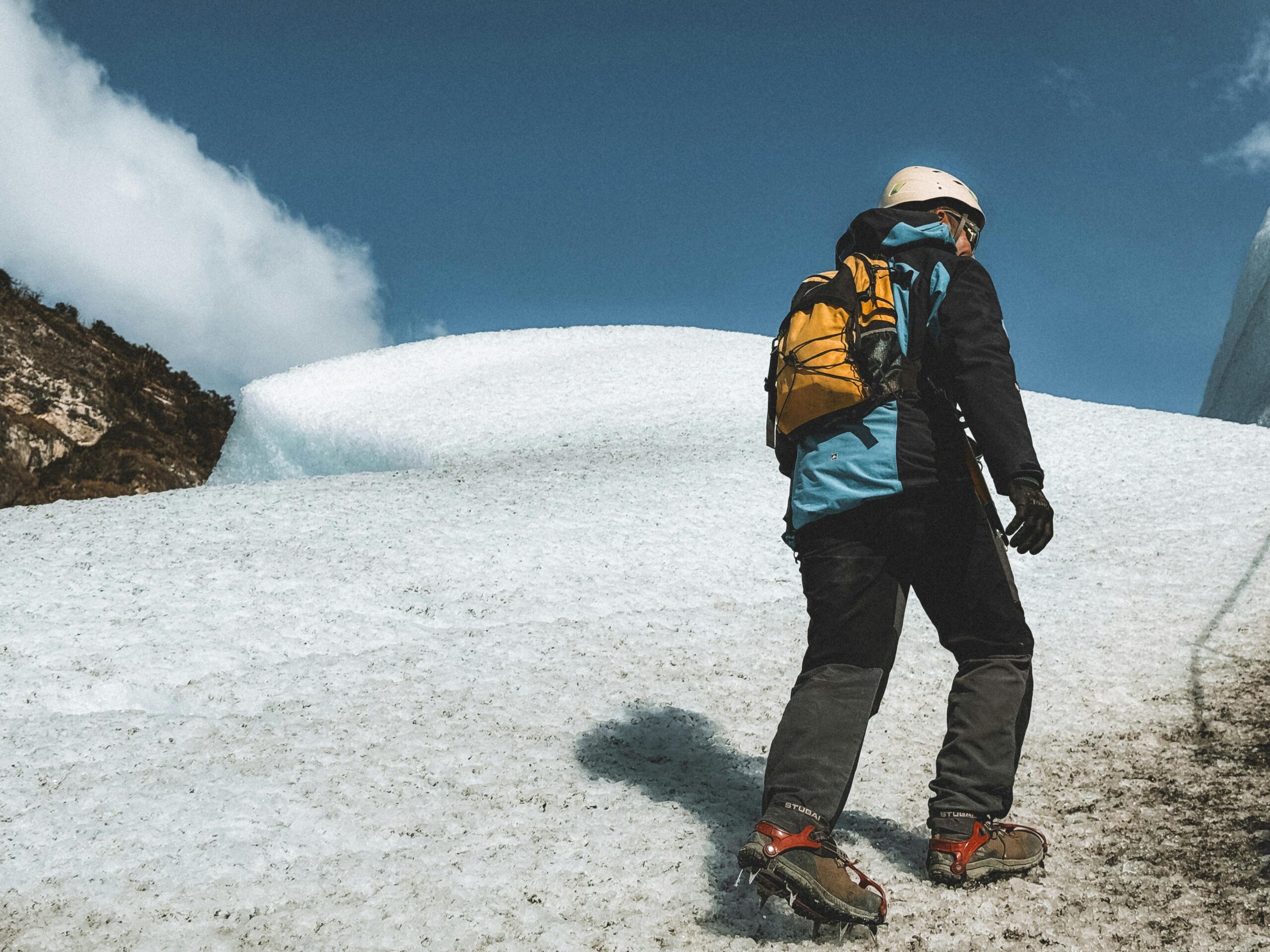
Microspikes are not crampons. Crampons are for technical mountaineering: vertical ice, glaciers, routes that require an ice axe. Microspikes are for what actually happens on hiking trails: packed snow, icy switchbacks, frozen mud, hard crust after a melt-freeze cycle.
They slip over any boot or shoe in about 30 seconds. The elastomer harness stretches to fit and holds tight while you hike. You stop noticing them after the first five minutes. When you hit a patch of ice, you feel the difference immediately.
The window to think about microspikes is before you need them, not after. They weigh about a pound and pack flat in any daypack. There’s no good reason not to bring them on any shoulder-season hike above 5,000 feet. We left ours at home once. We won’t do that again.
If you’re also using trekking poles, understand that poles and microspikes solve different problems. Poles give you balance. Microspikes give you grip. On icy terrain you want both, not one or the other.
Kahtoola MICROspikes Footwear Traction
$83.95 | 4.7★ | 3,564 reviews
See it on AmazonWhy we picked it
3,564 reviews at 4.7 stars is not something you fake or fluke. The stainless steel spikes bite into ice and packed snow the way nothing else at this price does. The elastomer harness stretches over any boot without needing adjustment every time you swap footwear. Trail runners, hiking boots, approach shoes, heavy winter pac boots, it handles all of them. They go on fast, which matters when your hands are cold and you’re standing on a slope. Kahtoola invented the microspike category and has refined this specific design for years. That’s why it’s still the answer every time someone asks what to buy.
The catch
They’re not built for steep technical ice. If a trail turns into something close to a vertical ice wall, you need crampons and the skills to use them. For anything a regular trail hiker actually encounters, icy switchbacks, packed snow, frozen creek crossings, these handle it without issue.
Frequently Asked Questions
Do microspikes work on mud and wet rock?
Not the way they work on ice and packed snow. The spikes sink into soft mud rather than biting a firm surface. On wet rock they add some grip but they’re not designed for it. Their sweet spot is frozen surfaces: ice, packed snow, hardened slush. If the trail is just wet, leave them in your pack.
What size should I get?
Kahtoola MICROspikes come in XS through XL. The harness stretches significantly, so if you’re between sizes, size down. A snug fit prevents the harness from shifting on steep sections. Check Kahtoola’s size chart against your boot’s US or EU size before ordering.
Microspikes vs crampons: what’s the difference?
Crampons are for technical mountaineering: front-pointing up vertical ice, glacier travel, routes that require an ice axe. Microspikes are for trail hiking on packed snow and ice. If you’re on a marked trail, even a hard one, microspikes are what you need. Crampons on a regular trail are overkill, harder to walk in, and unnecessary for 99% of hikers.
Do I need microspikes if I already have trekking poles?
You want both. Trekking poles help with balance and reduce knee strain on the descent, but they don’t give you traction. On icy terrain, a pole tip finding ice while your foot slides is exactly how falls happen. Poles handle stability. Microspikes handle grip. They’re not interchangeable.
Can I run in microspikes?
Yes. The standard Kahtoola MICROspikes work fine for fast hiking and light trail running on snowy terrain. Kahtoola also makes the MICROspikes Ghost, a lighter version aimed at trail runners, though it has far fewer reviews. For most people, the standard model is the right call.
When do I actually need microspikes vs just being careful?
When the trail has packed snow or ice and you’re moving more than a few steps on it. Careful footwork helps on brief icy patches. Microspikes are for when the icy terrain is the trail, not just part of it. If you’d feel nervous without them, bring them. They weigh a pound and take 30 seconds to put on. The regret of not having them is significantly worse than the slight inconvenience of carrying them.