
What to Wear Hiking: Outfits That Look Good in Photos (Not Just on Trail)
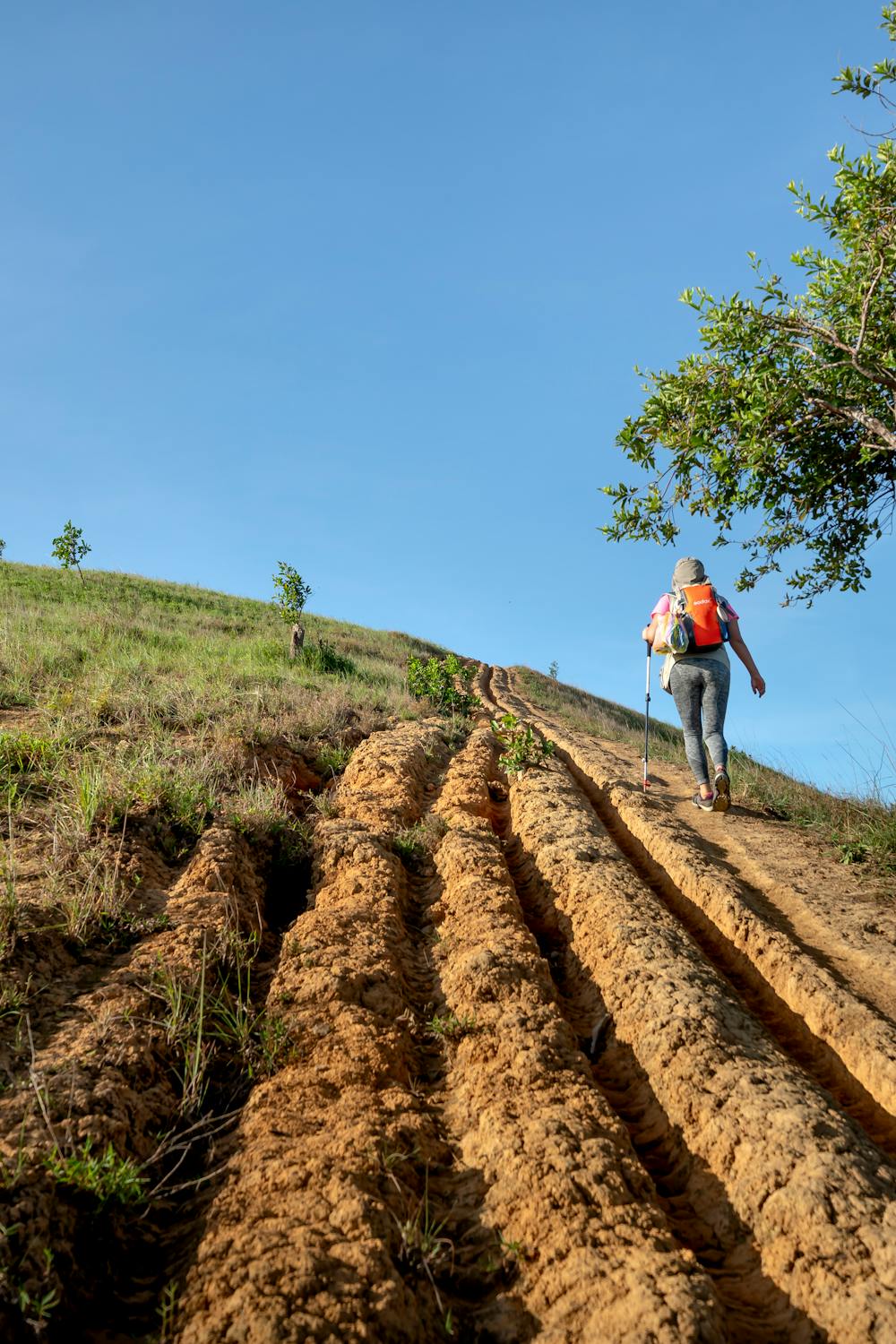
Disclosure: This post may contain affiliate links. I may earn a small commission if you click a link or make a purchase, at no additional cost to you. See my disclosure for more info.
Most trail pics look flat for the same reason your mirror selfies used to look flat before you figured out the lighting. It’s not the setting. It’s what you’re wearing and how it reads on camera. After testing what actually photographs well on trail, two pieces fix most of it: a well-fitted UPF hiking pant in an earth tone and a lightweight sun hoodie. Both are functional. Both are under $40. Both photograph better than the synthetic shorts and cotton tank that most people show up in.
OUR PICK
Hiking Pants — UPF 50, Quick-Dry
Earth tone, matte fabric, UPF 50. The base of every outfit that photographs well on trail.
ALSO GREAT
Sun Hoodie — UPF 50+
Lightweight layer that adds visual interest and keeps you from burning out in open sun.
Why You Should Trust This
Both products cleared the same filter before they went in this post: 4+ stars, 1,000+ verified Amazon reviews, active sales rank from real buyers. The hiking pants have over 4,000 reviews. That’s enough of a sample to trust. We also checked that both pieces photograph well in natural light, not just that they function well. A product that works on trail but reads as shapeless in photos isn’t a picinspo pick.
Who This Is For
- You’ve taken a beautiful hike and every pic looks flat, washed-out, or unflattering, and you can’t figure out why
- You want to look put-together outdoors without wearing something that reads as gym clothes
- You’re building a hiking wardrobe and want pieces that earn their cost by doubling as photo-ready
Why What You Wear Changes Your Trail Pics
Five things change outdoor photos more than any camera setting or filter.
Color. Earth tones photograph better outdoors. Rust, olive, warm beige, terracotta, dusty sage. They complement rock, soil, and greenery instead of competing with it. All-black absorbs heat and photographs as a flat void in direct sun. Bright neon competes with the landscape and pulls the eye off you. One muted warm tone from head to toe reads as intentional and effortless in photos. Two competing colors read as an afterthought.
Fabric sheen. Shiny synthetic fabric reflects light unevenly in direct sun and blows out detail. Matte fabrics hold texture. UPF fabric engineered for sun exposure is specifically designed not to reflect, which also makes it photograph better. When the sun is behind you, a shiny top creates hot spots that ruin an otherwise good shot.
Fit. Oversized doesn’t read as relaxed outdoors. It reads as shapeless. A tapered leg and fitted waistband show proportion even in a full-body shot at distance. The pants below are cut for movement but have enough shape to read well at 20 feet.
Layers. A sun hoodie over a sports bra adds visual interest that a tank top alone doesn’t. It gives you the classic sleeves-tied-around-the-waist look for one pic, then back on for the next. Layers = options in photos.
Accessories. A hat does more for a trail pic than any filter. It adds structure to your silhouette, creates a flattering face shadow in harsh sunlight, and signals that you know what you’re doing out there. A water bottle with color, a bandana, a single piece of jewelry. Small additions compound into a cohesive look.
Hiking Pants — UPF 50, Quick-Dry
Why we picked it
Over 4,000 reviews at 4.3 stars is a real sample from real hikers on real terrain. UPF 50 means you actually don’t need to think about sunscreen on your legs during sun-exposed hikes. The quick-dry fabric means sweat evaporates before it shows in photos. No mid-hike rewear needed. The tapered leg reads better on camera than the wide-leg cuts most hiking pants use. Available in muted earth tones that photograph well against trail backgrounds.
The catch
The waistband runs generous. If you’re between sizes, size down. A waistband that sits loose doesn’t look great in photos even if it’s comfortable, and that defeats the purpose.
Sun Hoodie — UPF 50+
Why we picked it
4.7 stars on over 2,600 reviews. It genuinely feels like a long-sleeve t-shirt but blocks UV. Lightweight enough that you won’t overheat in it during a steady pace. Thumbholes keep it from riding up when you raise your arms for summit pics, which matters because hiking arms-up poses are real. Available in enough neutral colorways to match whatever pants you already own.
The catch
The hood fits small on larger heads. If you plan to use the hood as sun protection specifically, try it on before committing or check the size chart carefully.
Frequently Asked Questions
What colors photograph best on a hike?
Warm earth tones. Olive, rust, warm beige, dusty rose, terracotta. They read well in natural light and complement most trail backgrounds. Avoid bright neon (competes with the landscape) and all-black (photographs as a flat void in direct sunlight). If you want one safe pick that works everywhere: olive green.
Can I wear hiking pants to the airport or out to lunch after a hike?
Yes, if they’re the right cut. Tapered-leg hiking pants in a muted tone with a clean fit read more like outdoor casual than gym wear. Pair with a tucked top or wrap them with the hoodie tied around the waist and they work post-trail without changing. Wide-leg nylon hiking pants are harder to pull off outside the trail context.
Do I need to buy hiking-specific clothes or can I just wear leggings?
Leggings work for most day hikes. The case for hiking-specific pants: UPF protection on exposed trails, durable fabric that doesn’t pill or snag on brush, and pockets that actually hold things. On a short, shaded, easy trail? Leggings are fine. On an exposed 8-mile summit trail? You’ll want real pants.
What shoes go with hiking outfits for photos?
Hiking boots or trail runners in a neutral that matches your outfit. The best-looking combination is earth-tone pants with boots in a similar tone family. Avoid bright-colored trail runners unless you’re specifically going for that look. Check out our guide to the best hiking boots for women for the specific picks we recommend.
What do I actually need to bring on a hike to look good in photos?
Start with the outfit foundation above, add a hat, a water bottle with color, and one accessory like a bandana or sunglasses. That’s the full formula. See our hiking gear essentials post for the rest of the pack list.