
Hiking Outfits for Women: Look Good on Every Trail
Disclosure: This post may contain affiliate links. I may earn a small commission if you click a link or make a purchase, at no additional cost to you. See my disclosure for more info.
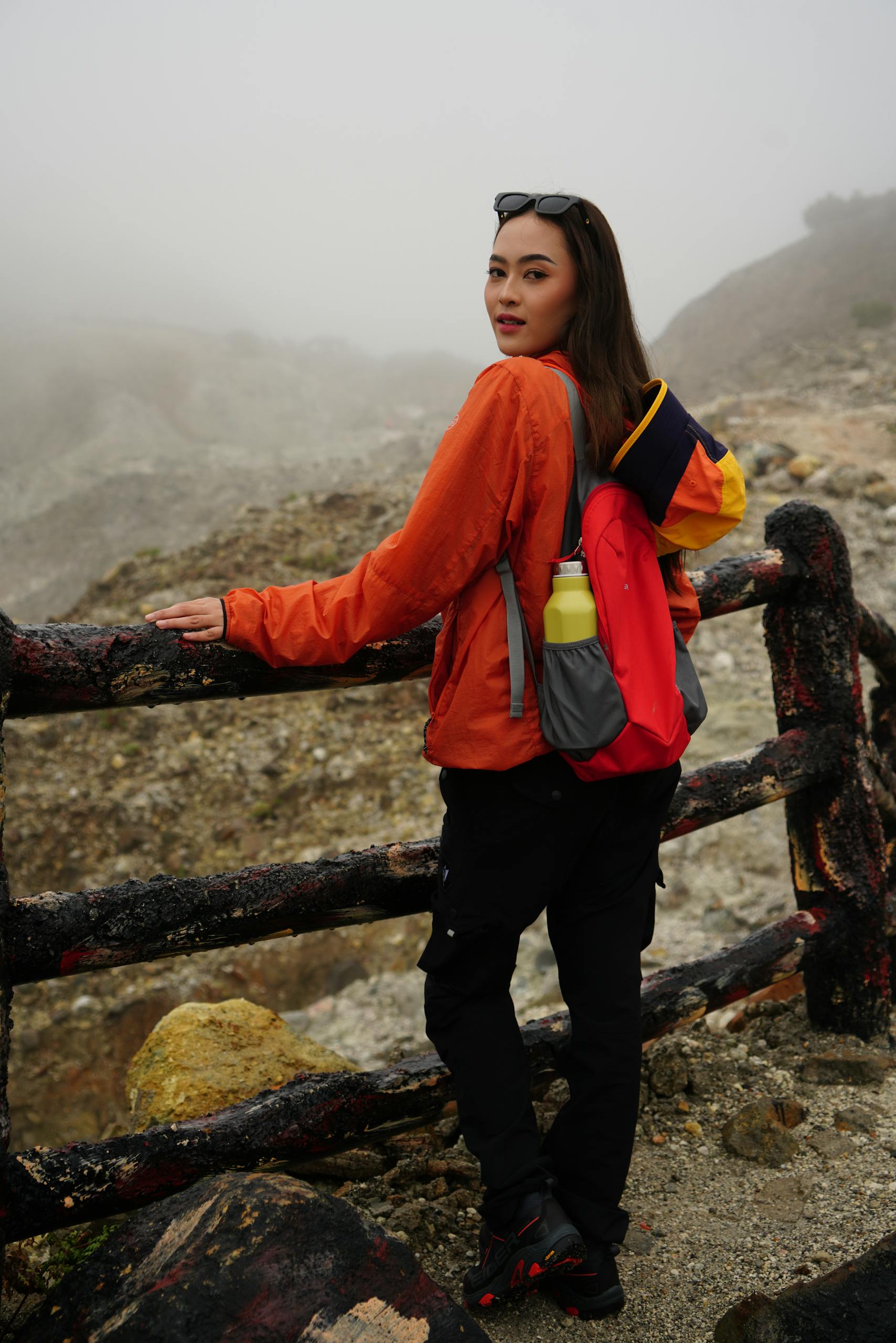
Most hiking outfit advice is either purely functional and ugly, or cute and completely wrong for the trail. You don’t have to pick one. The right hiking outfit works hard, holds up, and looks good in every pic you take along the way. Here’s what actually works.
Why Your Hiking Outfit Matters More Than You Think
A bad outfit affects more than your comfort. The wrong fabric traps heat and smells by mile two. Pants that don’t move well make scrambling over rocks a workout in frustration. And if you’re planning to take any pics on trail, what you’re wearing matters just as much as the scenery behind you.
The best hiking outfits do three things: they move with you, manage sweat, and photograph well in natural light. That’s the standard we use here.
The Pieces That Make Up a Good Hiking Outfit
Leggings or Hiking Pants
Leggings are the most popular choice for good reason. They move freely, dry fast, and look clean in pics. Look for a 4-way stretch fabric with a high waistband. Lululemon Align leggings are a favorite for shorter, easier trails where comfort is the priority. For longer hikes with rough terrain, a dedicated hiking pant with reinforced knees gives you more protection without sacrificing much style.
Base Layer Top
Avoid cotton. It holds moisture and gets cold fast when you stop moving. A lightweight moisture-wicking top in a neutral or earthy tone is your best starting point. Sage green, tan, and dusty rose all photograph beautifully against natural backgrounds. A fitted tank or slim-cut tee works better in pics than anything baggy.
Outer Layer
Even on warm days, a light layer for the summit is worth bringing. A packable puffer or a lightweight fleece tied around your waist looks good and doubles as warmth when you need it. Patagonia and Arc’teryx make well-regarded options at the higher end. For a more affordable entry point, the Columbia Arcadia rain jacket is a solid choice that still photographs cleanly.
Footwear
Trail runners work for most day hikes and look more current than traditional hiking boots. Merrell, Salomon, and Hoka all make women’s trail shoes that are genuinely good-looking. If you’re on rocky or wet terrain, a boot with ankle support is worth it regardless of how it looks.
Accessories
A wide-brim sun hat is both practical and one of the best things you can wear for trail pics. It adds shape, keeps sun off your face, and reads as intentional rather than an afterthought. Sunglasses with a sporty frame (Goodr and Knockaround are solid at a low price point) complete the look without looking overdone.
What Photographs Best on Trail
Solid colors and simple patterns photograph significantly better than busy prints in natural settings. Earth tones, muted greens, and soft neutrals blend with the environment in a way that looks editorial rather than random. Avoid neon unless you’re going for contrast on purpose.
If you’re shooting at golden hour, warm tones like rust, sand, and olive look incredible. For misty or overcast conditions, white and light gray stand out well against a darker background.
FAQ
Can I wear regular leggings hiking?
For easy, well-maintained trails, yes. For anything with significant elevation, wet conditions, or rough terrain, a hiking-specific legging or pant holds up better. The main difference is fabric durability and moisture management.
What shoes should I wear if I don’t own hiking boots?
Trail runners are a better choice than regular sneakers for most hikes. They have grip designed for uneven surfaces, drain water faster, and are lighter than a boot. If you hike more than a few times a year, they’re worth having as a dedicated pair.
How do I look put-together in hiking pics?
Stick to two or three colors max. Make sure your outer layer is either on or tied neatly around your waist, not shoved in a bag. A hat with shape, a pair of sunglasses, and a clean background do most of the work. A tripod and bluetooth remote mean you’re not relying on strangers for every shot.