
Why Natural Fiber Clothing Is Worth It: The Case for Cotton, Linen, and Wool
Disclosure: This post may contain affiliate links. I may earn a small commission if you click a link or make a purchase, at no additional cost to you. See my disclosure for more info.
At some point you stop blaming yourself for being uncomfortable and start blaming your clothes. That’s the awakening. Scratchy after an hour. Weirdly sweaty in mild weather. Pills after three washes. Looks cheap in photos even though it wasn’t cheap. That’s not you. That’s polyester.
Once you start paying attention to fabric labels you can’t stop. And once you wear something that’s actually 100% cotton or linen or wool, wearing a polyester blend feels like a step backwards you’ll never willingly take again.
The Problem with Synthetic Fabrics
Most clothing today is plastic. Polyester, nylon, acrylic, spandex — all petroleum-based synthetic fibers that were invented as cheap alternatives to natural materials. The fast fashion industry runs on them because they’re inexpensive to produce, easy to dye, and hold their shape without much care. What they don’t do: breathe, regulate temperature, or feel good against skin for long stretches of time.
Synthetic fabrics trap heat and moisture against your body. They generate static. They pill. They hold odor in ways natural fibers don’t. And they photograph differently — there’s a reason clothes in editorial shoots almost always drape a certain way, and it’s because they’re made of real materials.
The worst part is you’ve probably been wearing synthetics so long you assumed the discomfort was normal. It’s not.
What Natural Fibers Actually Feel Like
Cotton breathes. It warms when you’re cold and cools when you’re warm because it wicks moisture away from skin and lets air circulate. A 100% cotton tee in summer is a completely different experience than a cotton-poly blend — softer, lighter, and it doesn’t stick.
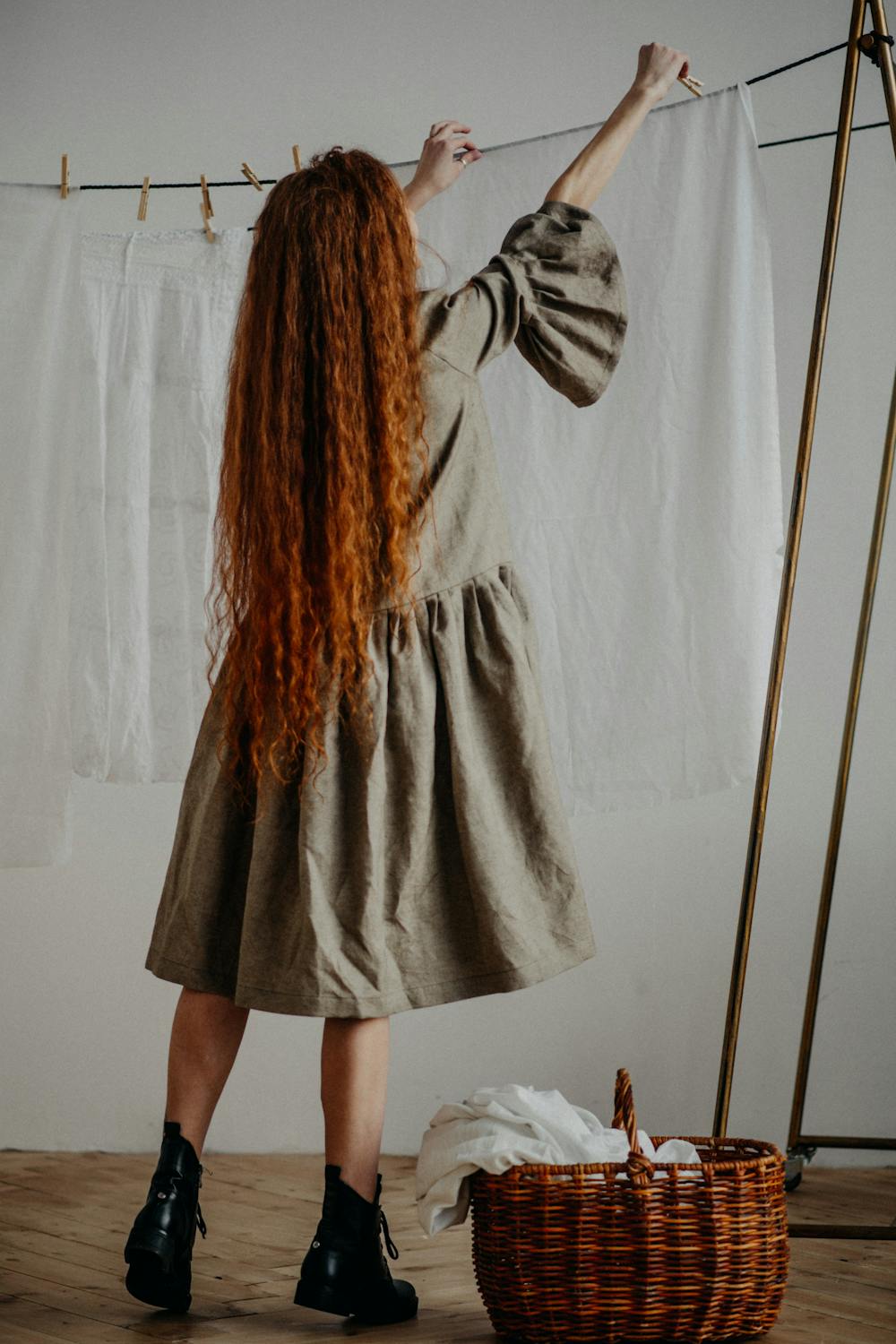
Linen is even more breathable and gets softer with every wash. It wrinkles, which some people resist, but that wrinkle is part of what makes it look effortless and expensive rather than stiff and cheap.
Wool regulates temperature better than any synthetic insulating fabric ever made. Merino wool in particular is soft enough to wear against bare skin and works in a range of temperatures that would require multiple synthetic layers to match.
All of them drape better in photos. Natural fibers have weight and movement that synthetic fabrics fake but never quite replicate.
The Honest Tradeoff: Care
Natural fibers require more attention when washing. Cotton shrinks if you throw it in a hot dryer. Linen wrinkles aggressively if you machine dry it. Wool can felt or shrink if it hits hot water. This is real and worth knowing going in.
The fix is simple if not always convenient: cold water, gentle cycle, lay flat or hang to dry. That’s basically it. Once it’s a habit it takes no more effort than any other laundry — you just can’t be careless about it. Most people who switch to natural fibers and stick with it say the quality and feel are worth the extra thirty seconds of attention per item.
What to Look For When Shopping
Read the fabric label before you buy anything. You’re looking for 100% cotton, 100% linen, 100% wool, or 100% silk. The moment you see “polyester,” “nylon,” “acrylic,” or “spandex” in the blend, you know what you’re getting. A small percentage of spandex in something like jeans for stretch is forgivable. A 60% polyester tee is not cotton — it’s plastic with a little cotton in it.
Brandy Melville is a good reference point for what an all-cotton lineup looks like in a mainstream brand — almost everything they make is 100% cotton, which is part of why it looks and feels the way it does and why it photographs so well. That’s not a coincidence. Amazon has solid natural fiber options across basics, dresses, and seasonal pieces — the key is filtering by material and reading the label before adding to cart.
FAQ
Is 100% cotton worth the extra cost?
Usually yes. A well-made cotton piece that you hand wash and air dry will last years longer than a synthetic blend that pills and fades after a season. The per-wear cost ends up lower even if the upfront price is higher. And it feels better the entire time.
What about cotton blends — are those okay?
Depends on the blend. A 95% cotton, 5% spandex is basically cotton with a little give added. A 50% cotton, 50% polyester is a different fabric that behaves more like polyester. The higher the cotton percentage, the closer to the real thing. Under 80% cotton and you start losing most of the breathability benefits.
Does linen really wrinkle that badly?
Yes, and it’s fine. Linen wrinkle is part of the look — it reads as relaxed and intentional rather than messy when the rest of the outfit is put together. If you need something perfectly pressed, linen isn’t it. If you want something that looks effortless and expensive, linen wrinkle is your friend.
What natural fiber is best for summer?
Linen is the most breathable option in heat — it wicks moisture and dries quickly. 100% cotton is a close second and easier to find at accessible price points. Both will outperform any synthetic fabric in warm weather by a significant margin.